
Flagship Conservation Programs

Strategic Pillars

BBF operates along three interconnected pillars: Education, Environment, and Culture. These pillars guide all activities and interventions to ensure holistic development and long-term impact.

Education

Communities face significant barriers to quality education, including digital illiteracy, limited access to online platforms, and insufficient school infrastructure.

Environment

Environmental threats—including habitat loss, poaching, deforestation, and climate change—have serious implications for biodiversity, livelihoods, and community resilience.

culture

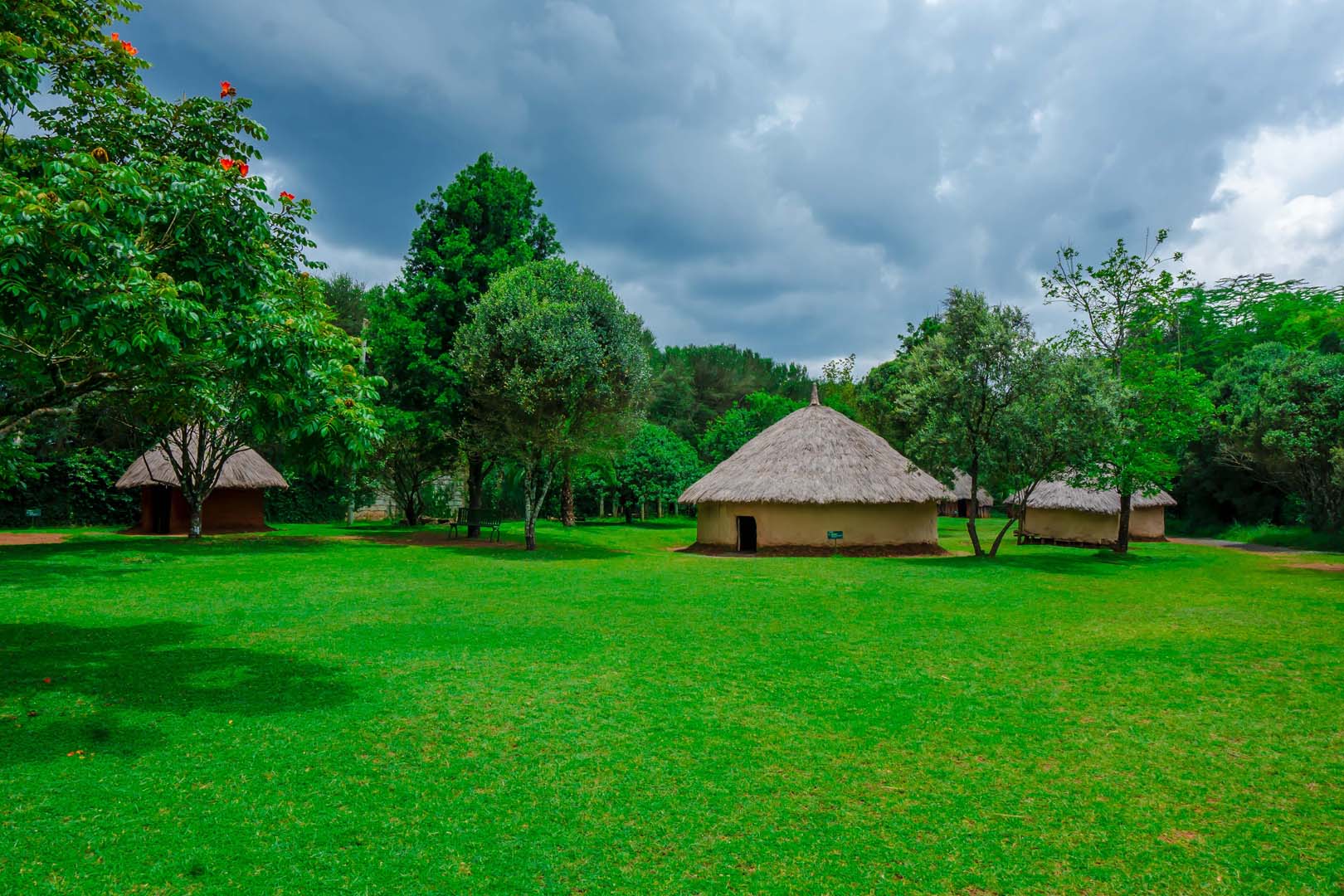
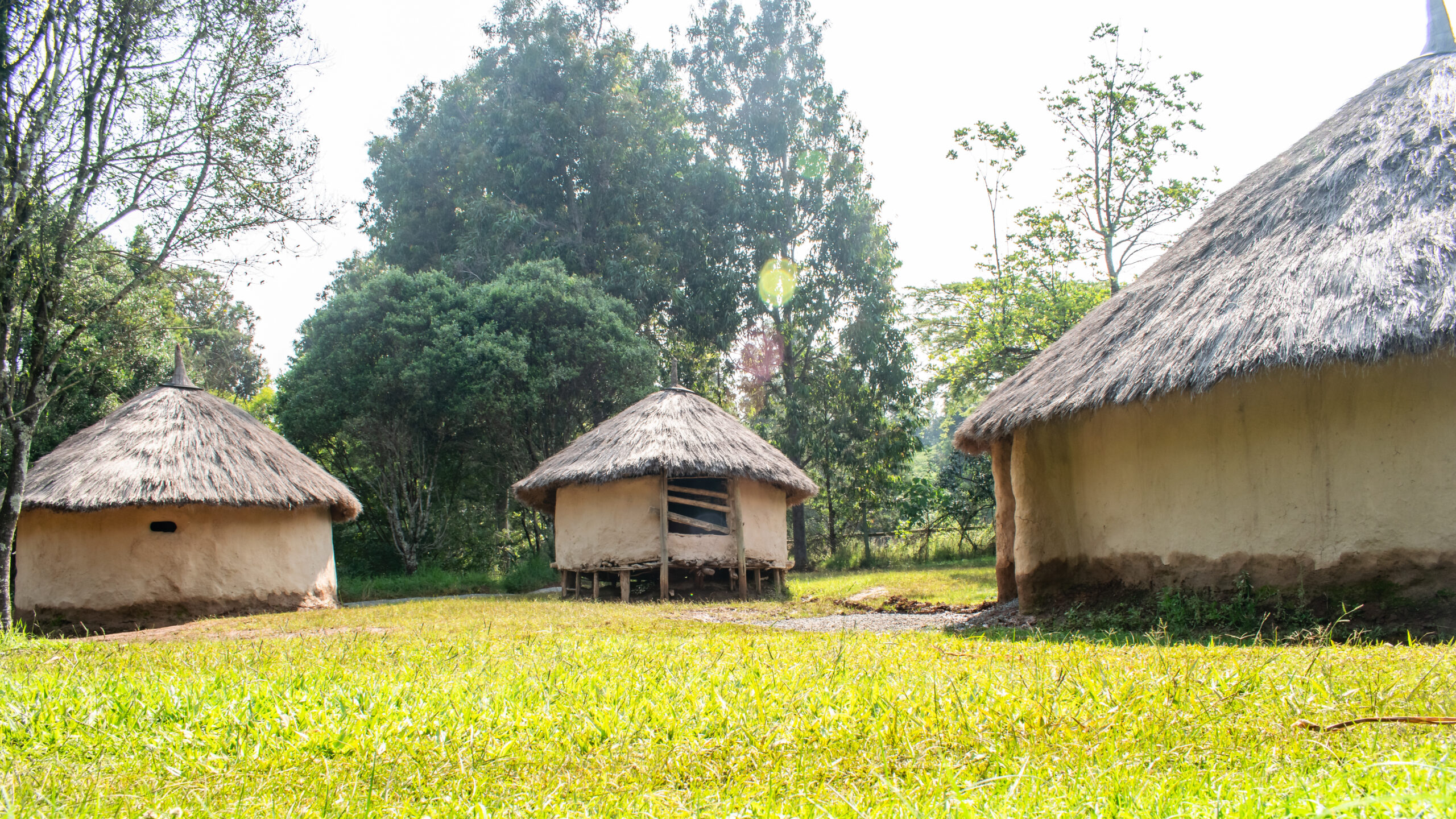
Globalization, modernization, and lifestyle changes have contributed to the erosion of cultural identity and indigenous knowledge
Environmental and Conservation Programs

The Foundation’s core environmental and conservation programs are anchored in the same regions:

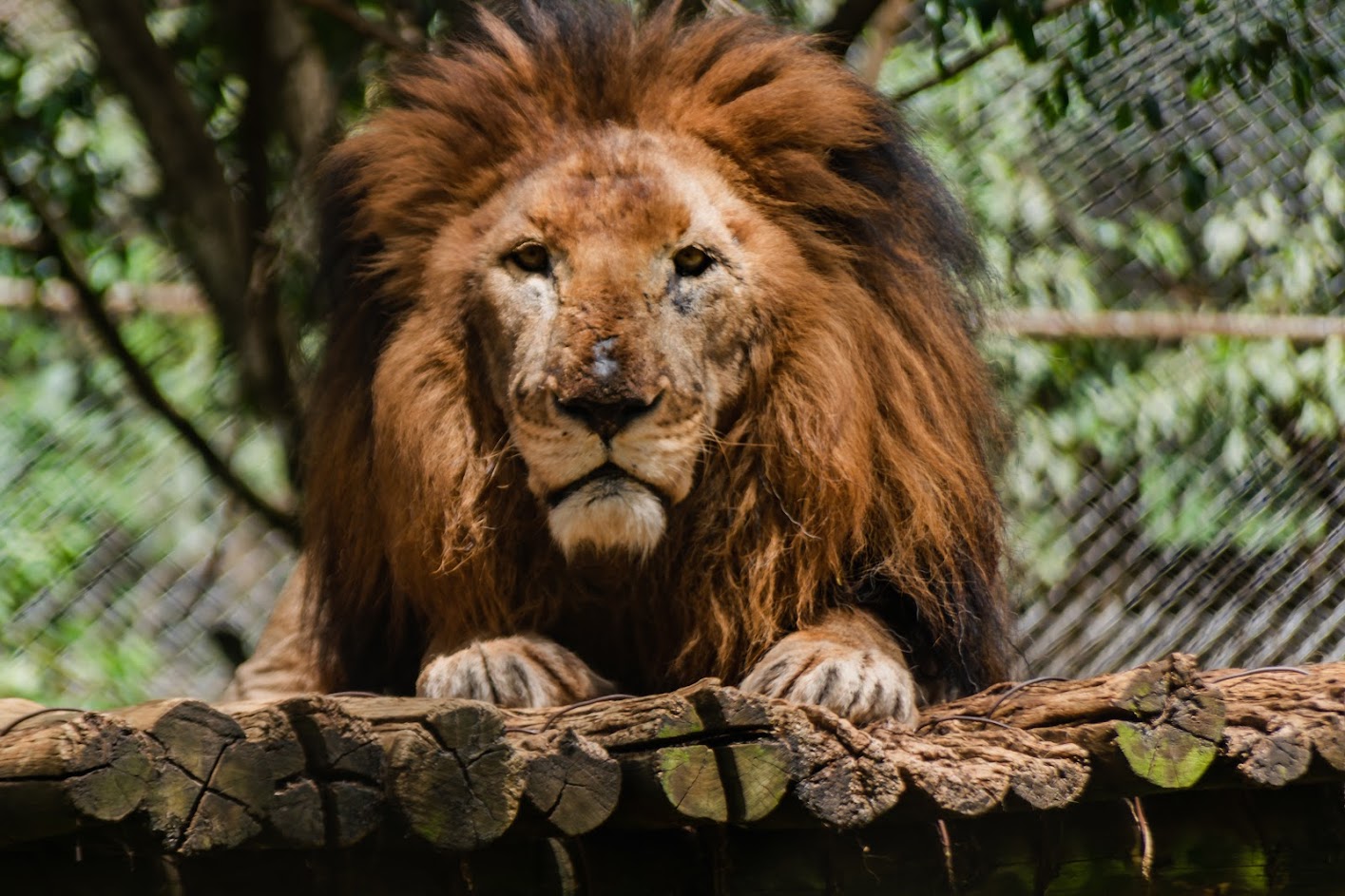
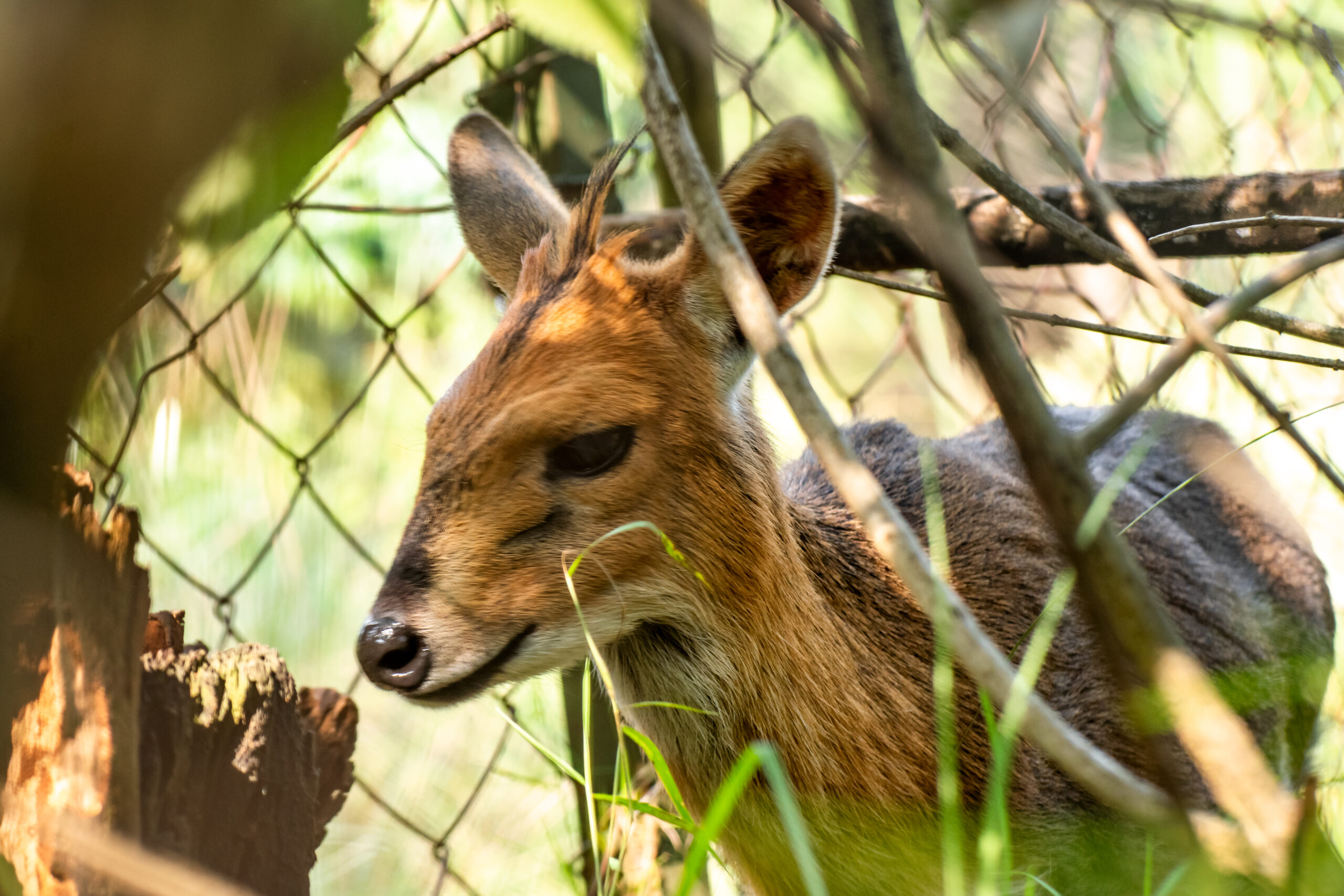
Eldoret Animal Sanctuary – Uasin Gishu County

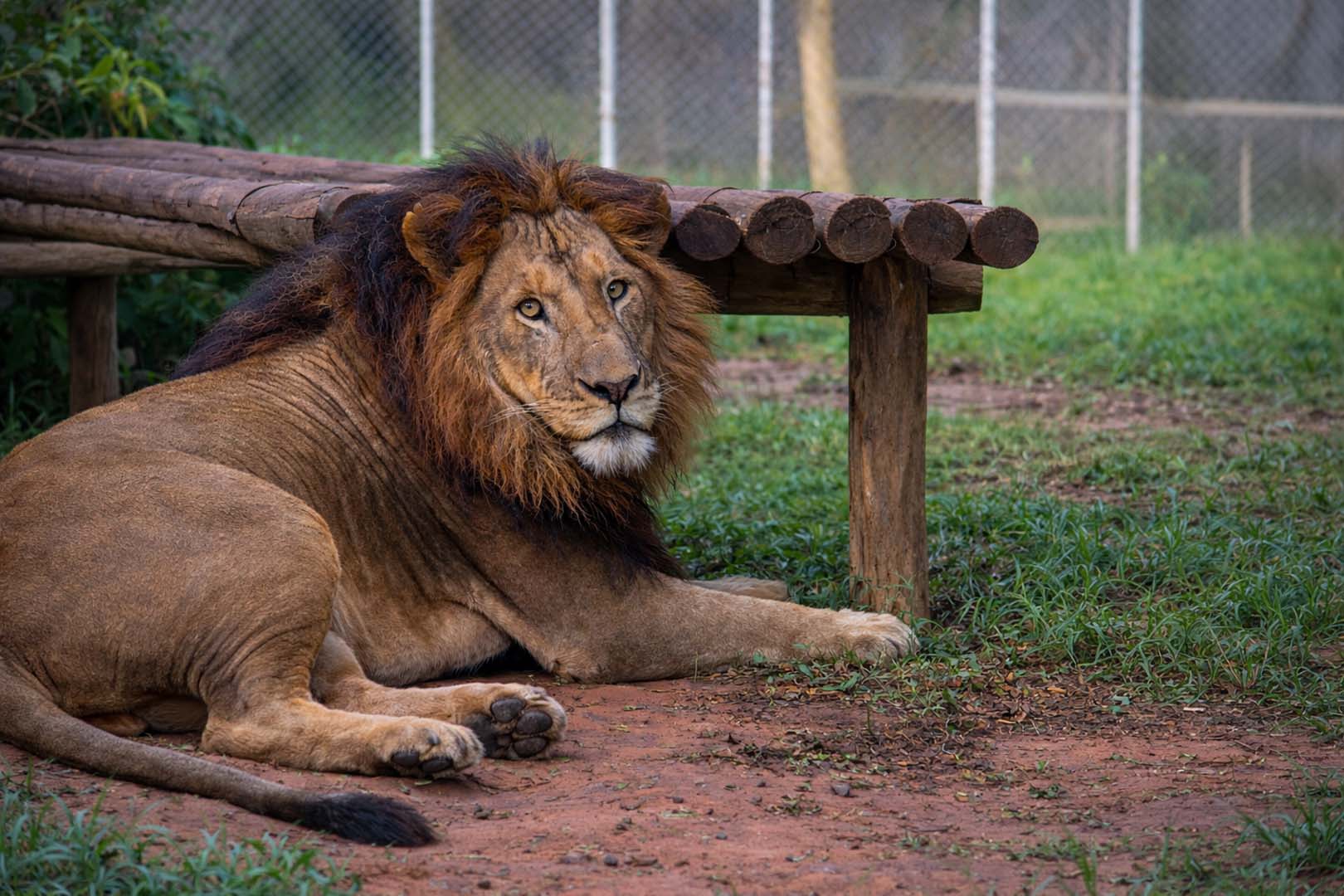
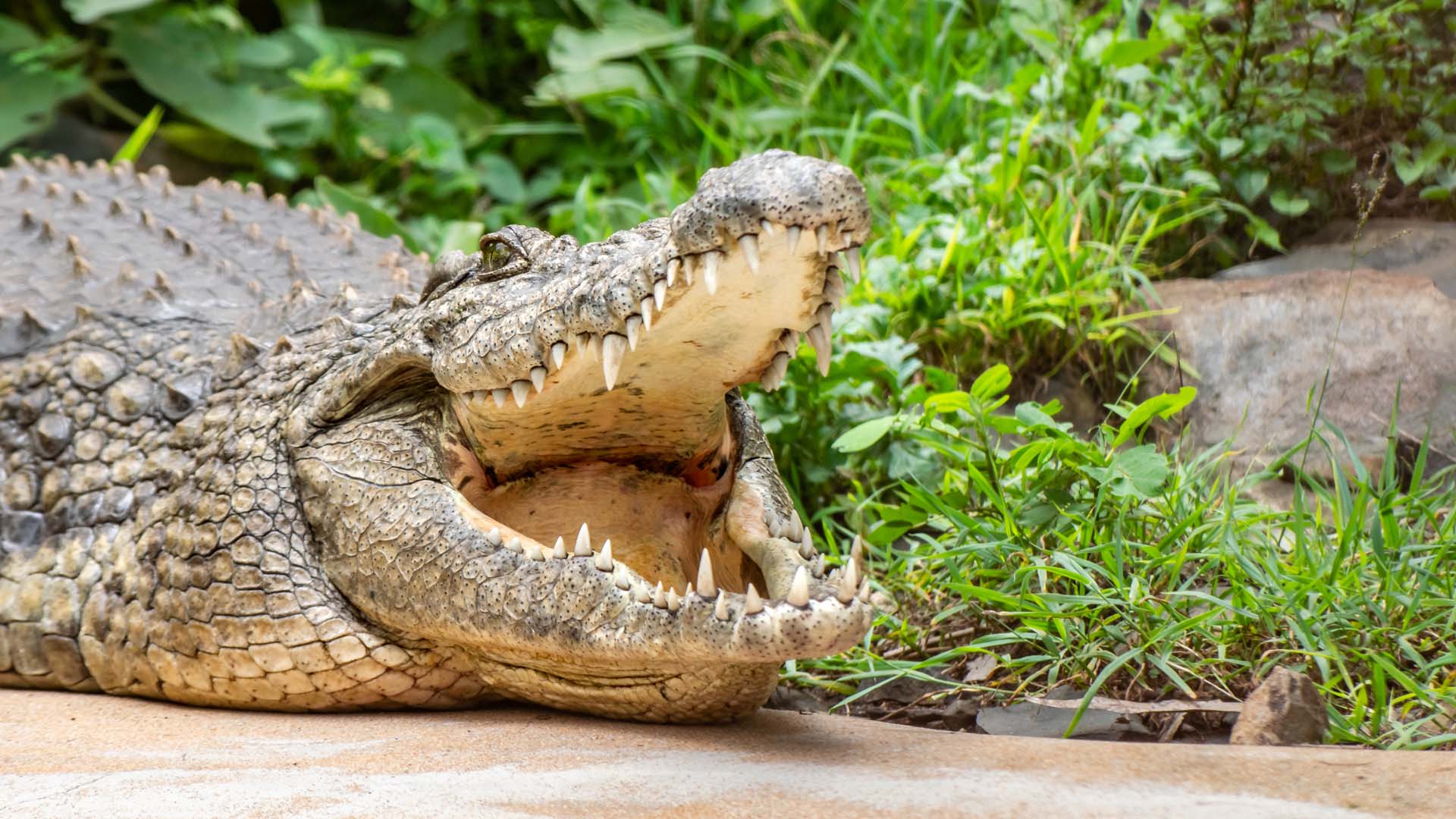
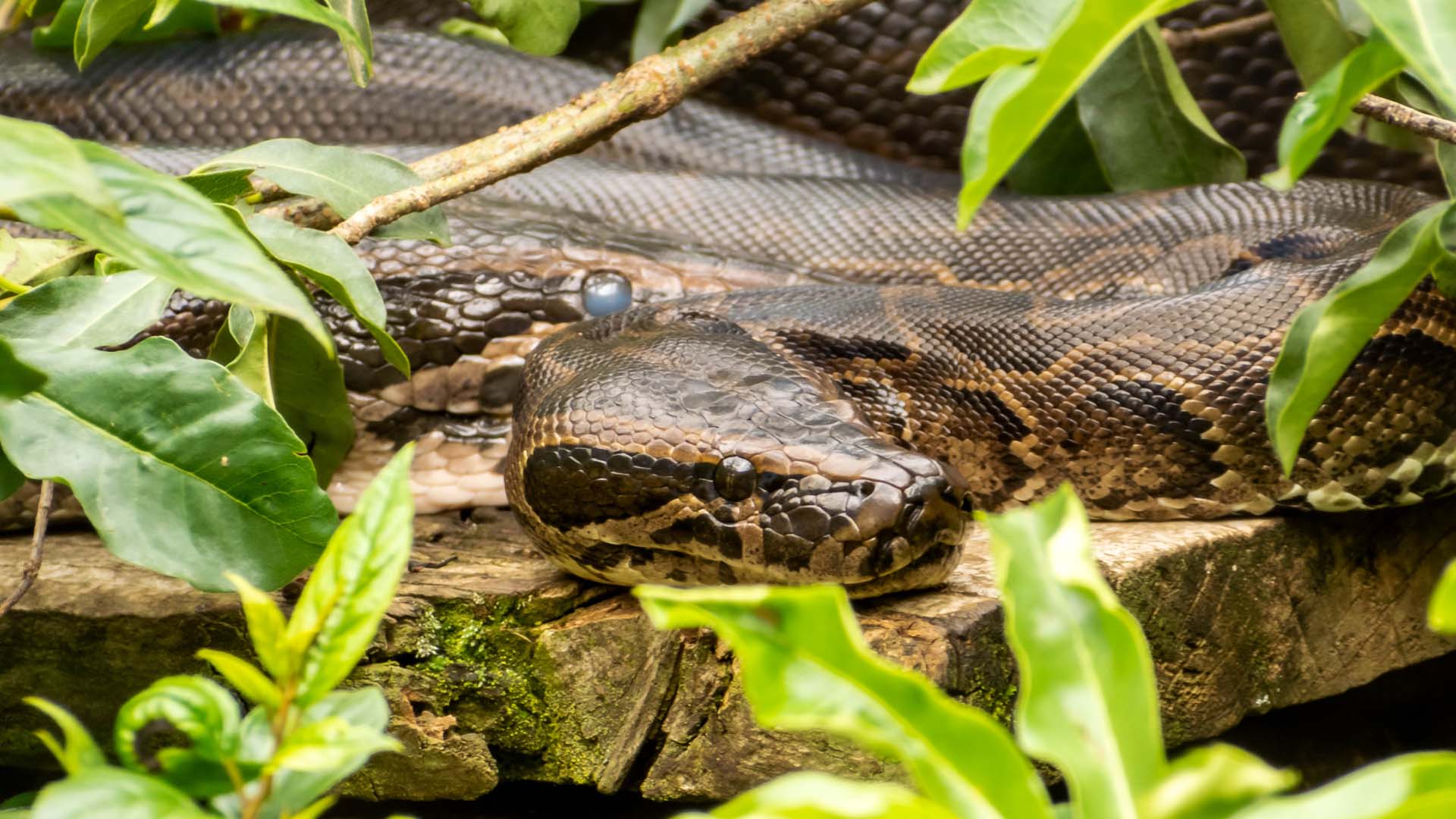
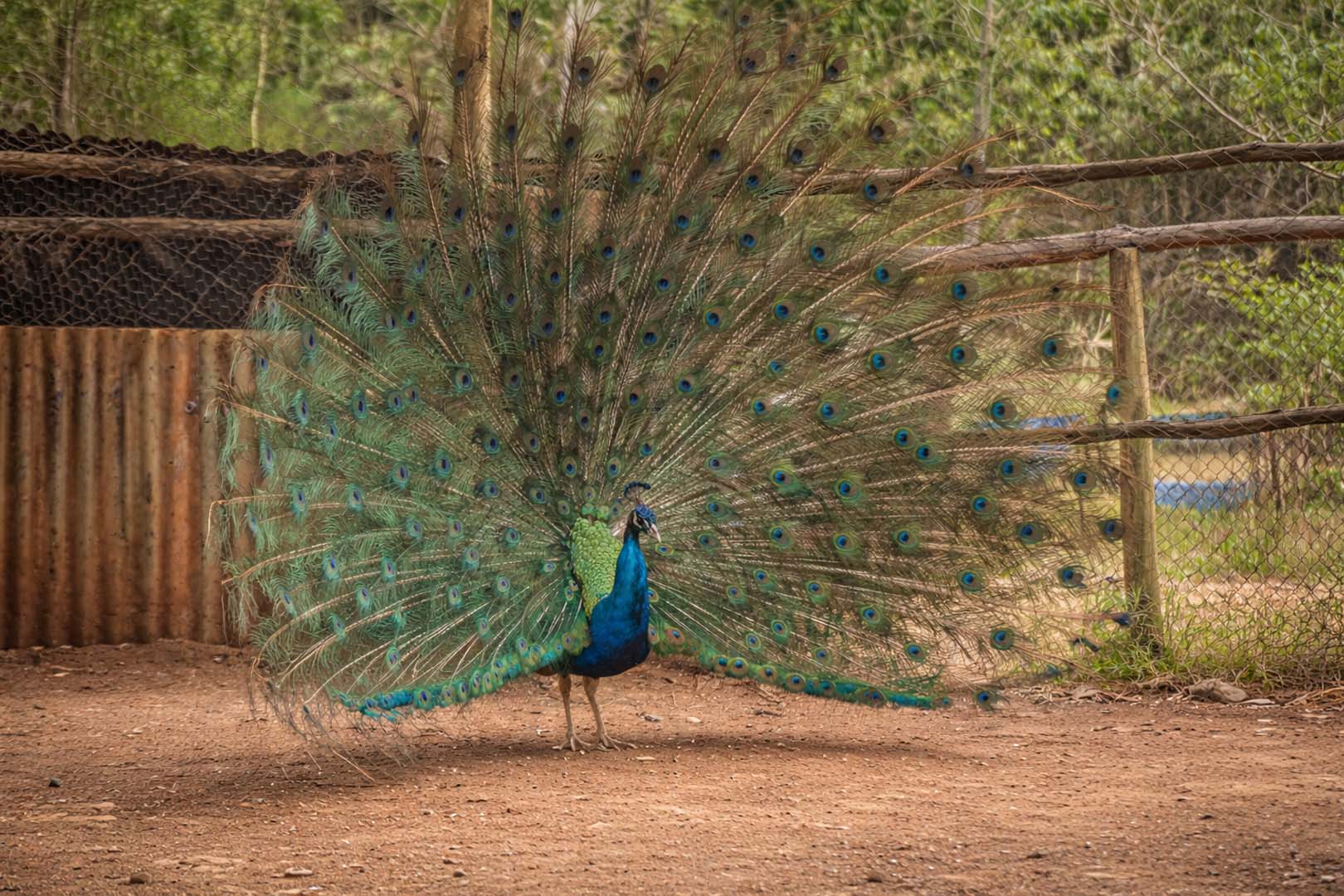
The Eldoret Animal Sanctuary is a 15-acre wildlife sanctuary that provides a safe and secure home for rescued animals. The sanctuary works in close partnership with the Kenya Wildlife Service (KWS) to receive and care for animals affected by human–wildlife conflict, injury, illegal captivity, or habitat loss. These animals are given appropriate care and long-term protection in line with national wildlife conservation standards.

Located just 15 minutes from Eldoret town, next to Poa Place Resort, the sanctuary is easily accessible to visitors and serves as an important center for conservation education. It welcomes school groups, students, and the public, offering learning opportunities that promote wildlife protection, environmental responsibility, and ethical conservation practices.

Wileli Wildlife Conservancy – Naivasha, Nakuru County

The Wileli Wildlife Conservancy is a 300-acre protected landscape situated along Moi South Lake Road, approximately 40 kilometres from Naivasha town. The conservancy forms part of the wider Naivasha ecosystem and provides important habitat for a diverse range of wildlife.

Wileli is home to over 400 species of birds, making it a significant site for birdlife in the region. The conservancy also supports mammals such as antelopes, giraffes, hippos, and leopards. Through habitat protection and careful land management, Wileli contributes to biodiversity conservation, ecological balance, and opportunities for research, education, and nature appreciation.

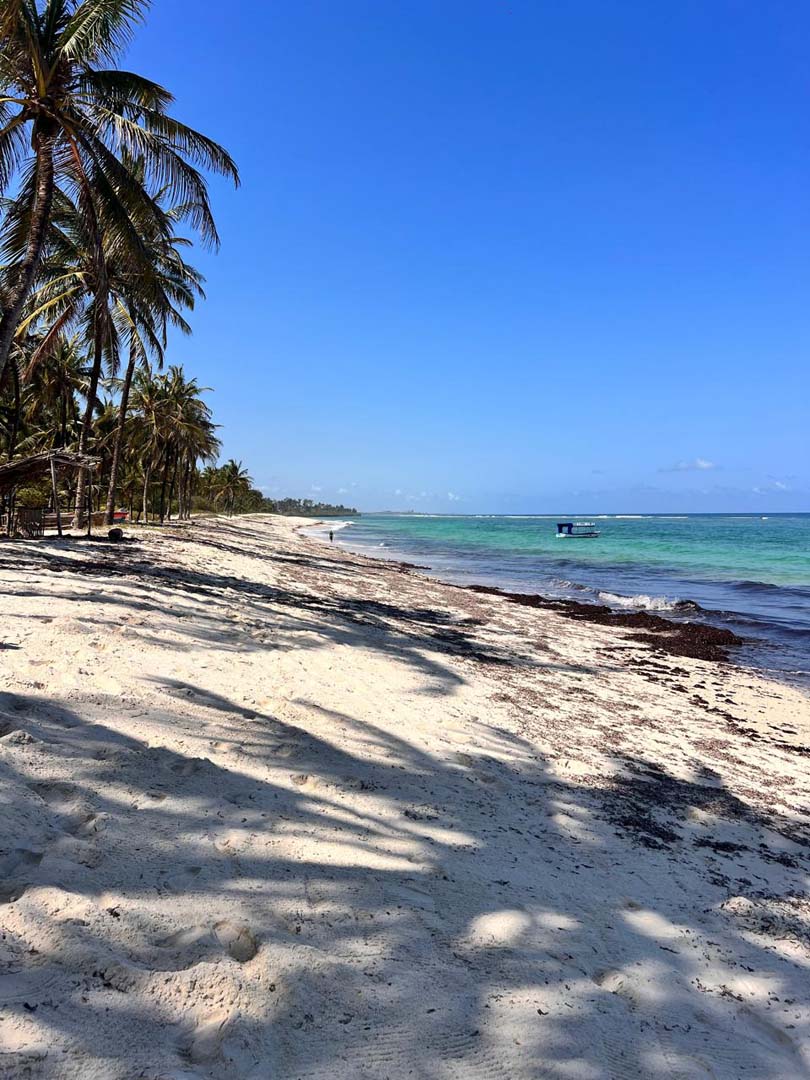
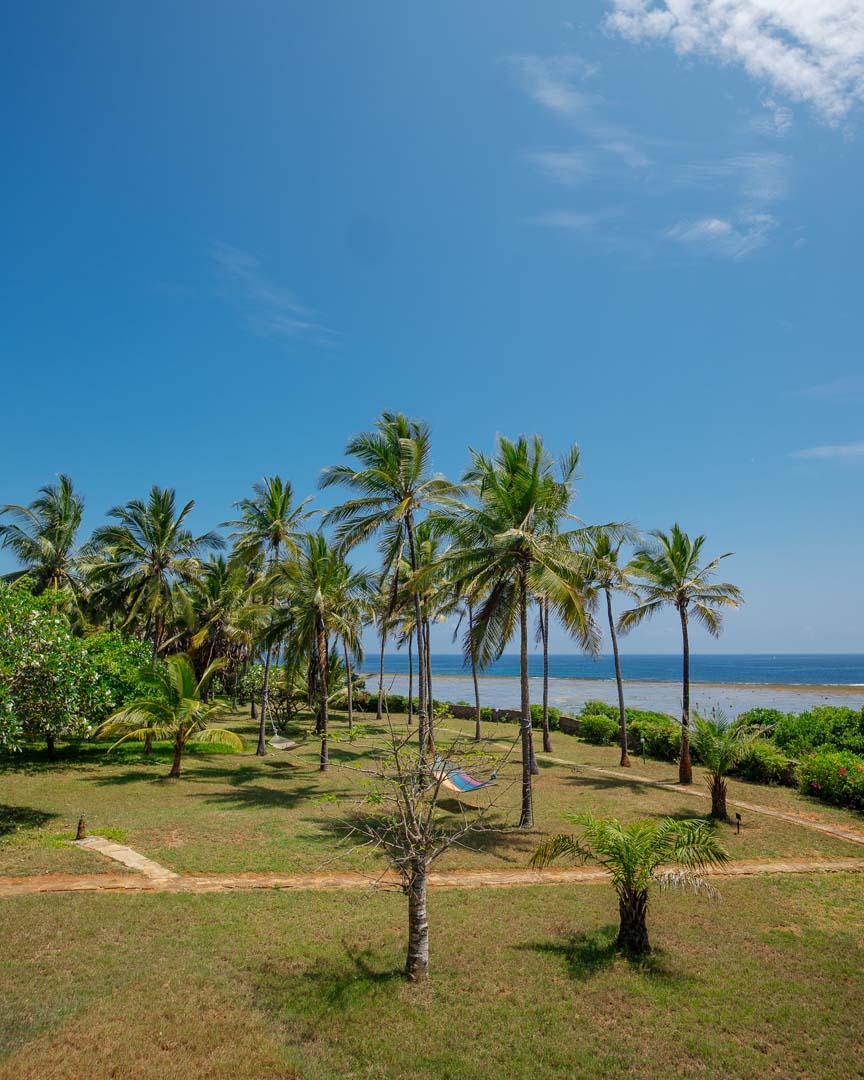
Tiwi Beach and Indigenous Forest Conservation – Kwale County

The Tiwi Beach and Indigenous Forest Conservation Program is located approximately 25 kilometres from Kwale town along Kenya’s south coast. The area features well-preserved indigenous coastal forests that play a vital role in supporting biodiversity, stabilizing the coastline, and protecting the surrounding environment.

These forests provide habitat for a variety of plant and animal species and help shield coastal communities from erosion and climate-related impacts. The beaches of Tiwi are also part of an important marine turtle conservation area, serving as nesting grounds for sea turtles. Conservation efforts focus on protecting nesting sites, reducing human disturbance, and raising awareness about marine and coastal ecosystem protection.